
Tag: vacuum deposition
-
The Gold Standard for Carbon Coating
Measure by Eye Not By Guess When working with vacuum deposition for SEM sample preparation, accurately determining the thickness of a carbon coating is critical. Fortunately, there’s a fast and effective visual method—especially when your carbon film is deposited on a reflective surface like gold. Visual Method for Inspecting Carbon Film Thickness Carbon layers on gold substrates exhibit distinct…
-
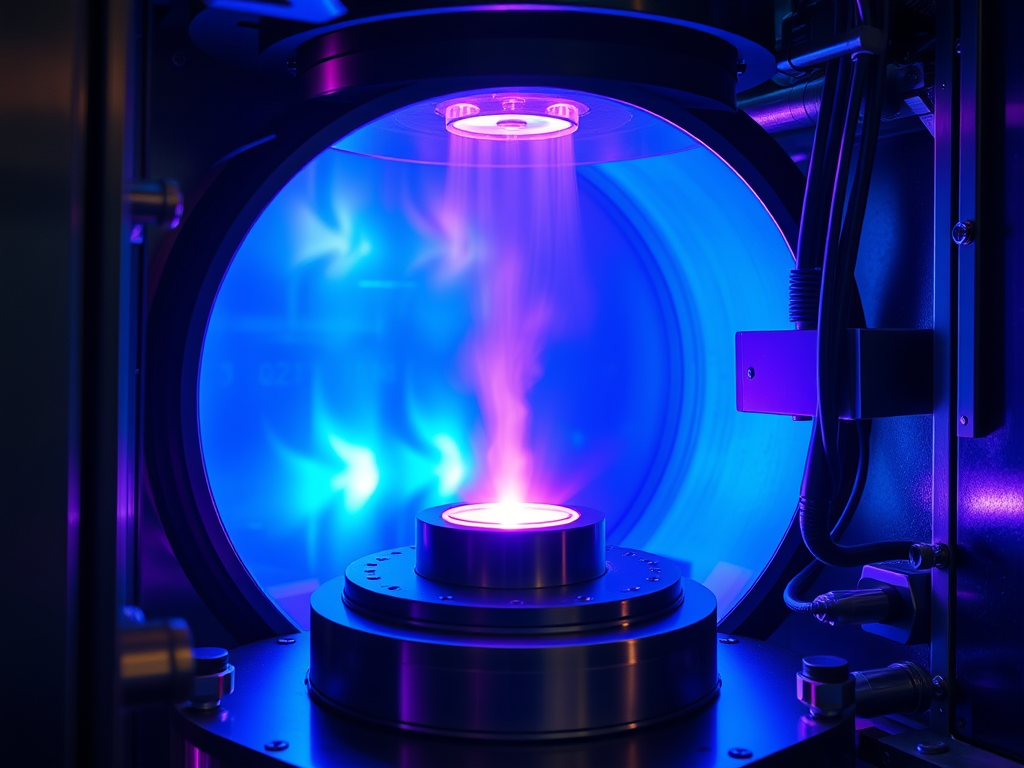
All Glow, No Go: Troubleshooting Cold Cathode Sputtering
This guide addresses common causes of non-depositing plasma in cold cathode sputtering systems, highlighting five key issues: improper grounding, target erosion, low power, gas flow errors, and weak magnets. Each problem is explained with symptoms and solutions, emphasizing the importance of maintenance and monitoring to ensure optimal sputtering performance.
-
Quartz Crystal Microbalance (QCM): How it Works
How Quartz Crystal Microbalance Works Why Is This Useful? How can Atomic LVL Help? We offer a comprehensive deposition monitor package designed to enhance your thin film deposition systems. Our overall package includes all the essential components to ensure precise and reliable monitoring of your deposition process. With advanced technology, it provides real-time feedback on…
-

Choosing the Right QCM Crystals for Your Process
Choosing the right QCM crystals is crucial for optimal performance. Atomic LVL offers Gold, Silver, and Alloy options, each with unique advantages. Gold provides strong adhesion and indefinite shelf life. Silver offers high thermal conductance but tarnishes quickly. Alloy maximizes crystal life and reduces rate noise. Consider application requirements, environmental factors, and experimental goals when…
-
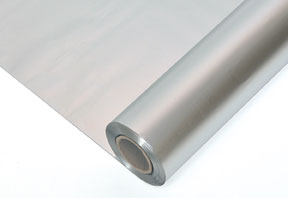
Effectively Using Ultra-High Vacuum (UHV) Aluminum Foil
UHV aluminum foil is crucial in maintaining vacuum system integrity. It seals flanges, acts as a backing material, protects sensitive components, serves as a heat and electrical shield. Its versatility is indispensable in scientific and industrial applications, ensuring high-performance and reliable results in ultra-high vacuum conditions.
-

Selecting the Right Sputtering Target Material for SEM Imaging
Selecting the appropriate coating material for SEM applications depends on factors such as the sample nature and intended use. Different materials offer different benefits, with gold being commonly used for non-conductive samples due to its efficiency and low work function. Other options like platinum, palladium, and silver also have specific advantages and drawbacks. Be mindful…