
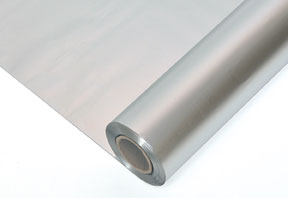
Let’s dive into the world of ultra-high vacuum (UHV) aluminum foil and explore its crucial role in vacuum chambers. This thin yet mighty material is not just your everyday kitchen foil; it plays a pivotal role in maintaining the integrity and functionality of vacuum systems in both scientific research and industrial applications.
Firstly, UHV aluminum foil is primarily used for sealing and covering purposes within vacuum chambers. Imagine it as the superhero cape that ensures everything inside the chamber stays tightly sealed and protected.
Key Applications for Ultra-High Vacuum Aluminum Foil:
1. Sealing Flanges:
One of the primary uses of UHV aluminum foil is to create a hermetic seal between UHV-compatible flanges. During assembly, it’s placed between flanges to form a tight seal that prevents any leaks from compromising the vacuum integrity of the chamber. This is crucial because even the tiniest leak can disrupt experiments or processes happening inside.
2. Backing Material:
Aluminum foil also serves as a reliable backing material for sealing o-rings or gaskets in UHV applications. It acts as a barrier against leaks, helping to maintain the optimal vacuum level inside the chamber over time. Think of it as the invisible shield that keeps everything inside safe and sound.
3. Protective Cover:
Beyond sealing, aluminum foil acts as a protective cover for sensitive components and surfaces within the vacuum chamber. It shields against contamination and reduces outgassing from chamber surfaces, which is essential for maintaining clean and stable experimental conditions in UHV environments. This ensures that experiments yield accurate and reliable results without interference.
4. Heat Shield:
Sometimes, aluminum foil also doubles as a heat shield within the vacuum chamber. It protects components from radiant heat and helps manage temperature gradients, ensuring the environment inside remains stable and conducive to optimal performance.
5. Electrical Shielding:
In environments where electromagnetic interference (EMI) needs to be minimized, aluminum foil steps in as an effective electrical shield. It prevents external electrical signals from interfering with sensitive equipment or experiments inside the vacuum chamber, thereby ensuring reliable data and performance.
Conclusion
In summary, UHV aluminum foil is a versatile multitasker in the realm of vacuum technology. Its ability to seal tightly, protect against contamination, manage heat, and shield from electrical interference makes it indispensable in various scientific and industrial applications. Whether you’re studying fundamental physics, conducting advanced material research, or manufacturing cutting-edge electronics, this humble foil plays a critical role in maintaining the high standards of performance and reliability demanded by UHV systems.
Next time you hear about experiments conducted under ultra-high vacuum conditions, remember the unsung hero quietly at work—UHV aluminum foil, ensuring that science and industry can push the boundaries of what’s possible with precision and confidence.
Leave a Reply