
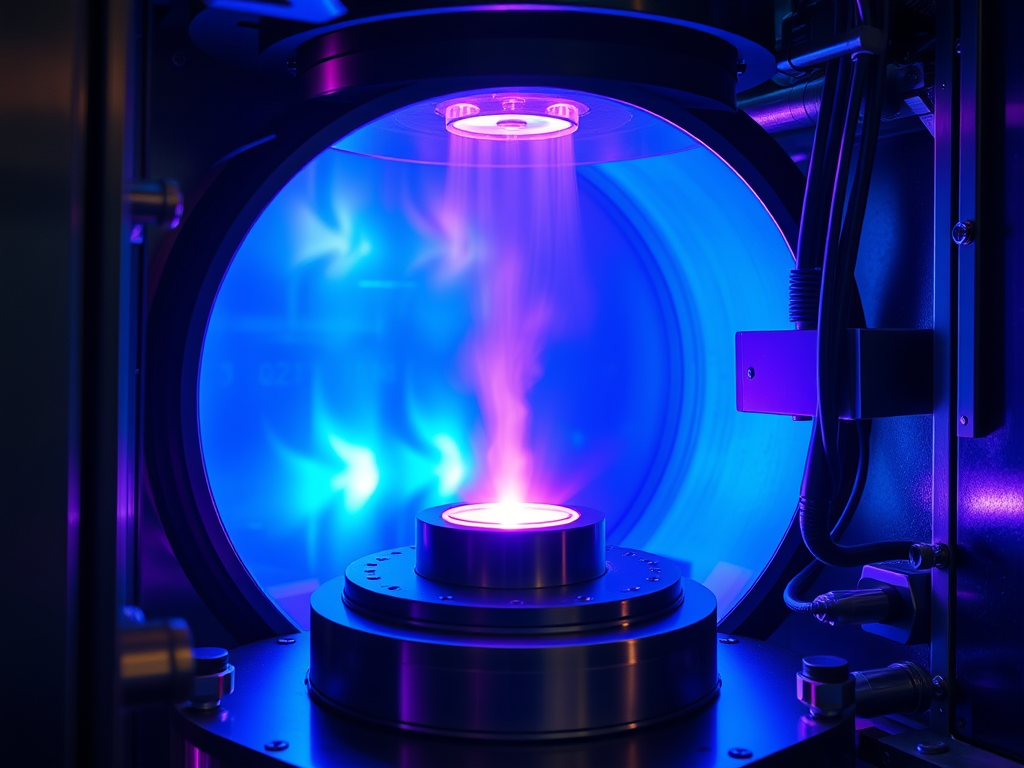
When working with cold cathode sputtering systems, encountering plasma formation without material deposition can be frustrating and costly. Diagnosing non-depositing plasma early is crucial to maintaining optimal sputtering performance and minimizing downtime.
In this guide, we’ll cover the five most common causes of non-depositing plasma in cold cathode sputtering systems – and how you can quickly fix each issue.
5 Causes of Plasma Without Deposition in Cold Cathode Sputtering
1. Target Not Properly Grounded
Symptom: Plasma forms, but no sputtering occurs.
Cause: Poor electrical contact between the target and the cathode backing plate prevents the target from becoming energized for sputtering.
How to Fix It:
- Ensure the target is securely seated against the cathode.
- Remove any oxide buildup, contamination, or debris that might be disrupting electrical contact.
- Regularly inspect and clean contact surfaces during maintenance.
________________________________________
2. Target Fully Eroded
Symptom: Plasma is present, but no material is sputtered onto the substrate.
Cause: The target material has been completely consumed, leaving little or no source material for deposition.
How to Fix It:
- Inspect the target closely for remaining material, particularly when using small or thin targets.
- Replace the target immediately if it is fully eroded to restore sputtering functionality.
________________________________________
3. Power Too Low for Sputtering
Symptom: Plasma appears normal, but sputtering activity is absent.
Cause: The applied power is insufficient to initiate or sustain the sputtering process, especially for certain target materials with higher sputtering thresholds.
How to Fix It:
- Verify that the power setpoint matches the material’s recommended sputtering parameters.
- Adjust power levels as needed, consulting your material datasheet or previous successful recipes.
________________________________________
4. Gas Flow or Chamber Pressure Out of Range
Symptom: Sputtering rate is poor, inconsistent, or nonexistent.
Cause: Argon gas flow or chamber pressure has drifted outside the optimal range required for stable plasma generation and effective sputtering.
How to Fix It:
- Ensure the chamber pressure is maintained between 50-75 mTorr for DC sputtering setups. NOTE: Different sputtering materials require different sputtering pressures.
- Periodically recalibrate pressure gauges.
________________________________________
5. Aged or Weak Magnets
Symptoms: Plasma appears diffuse or unstable. Erosion tracks on the target are faint or missing. Little or no deposition occurs despite normal power levels.
Cause: Over time, the magnets in magnetron cathodes can weaken due to heat exposure or material degradation, reducing the magnetic field strength necessary for plasma confinement.
How to Fix It:
- Measure the magnetic field strength using a Gaussmeter and compare it to the specifications of a new cathode.
- If the magnets are significantly weakened, replace them to restore sputtering performance.
________________________________________
Conclusion
Non-depositing plasma in cold cathode sputtering systems can usually be traced back to a few common issues – from electrical grounding problems to aging magnets. Regular system maintenance, careful monitoring of power and pressure parameters, and timely target replacement can prevent most sputtering failures.
Need help diagnosing or repairing your sputtering system?
Contact AtomicLVL for expert support, system servicing, and advanced plasma diagnostics.
Leave a Reply