
Category: Vacuum Deposition Processes
-
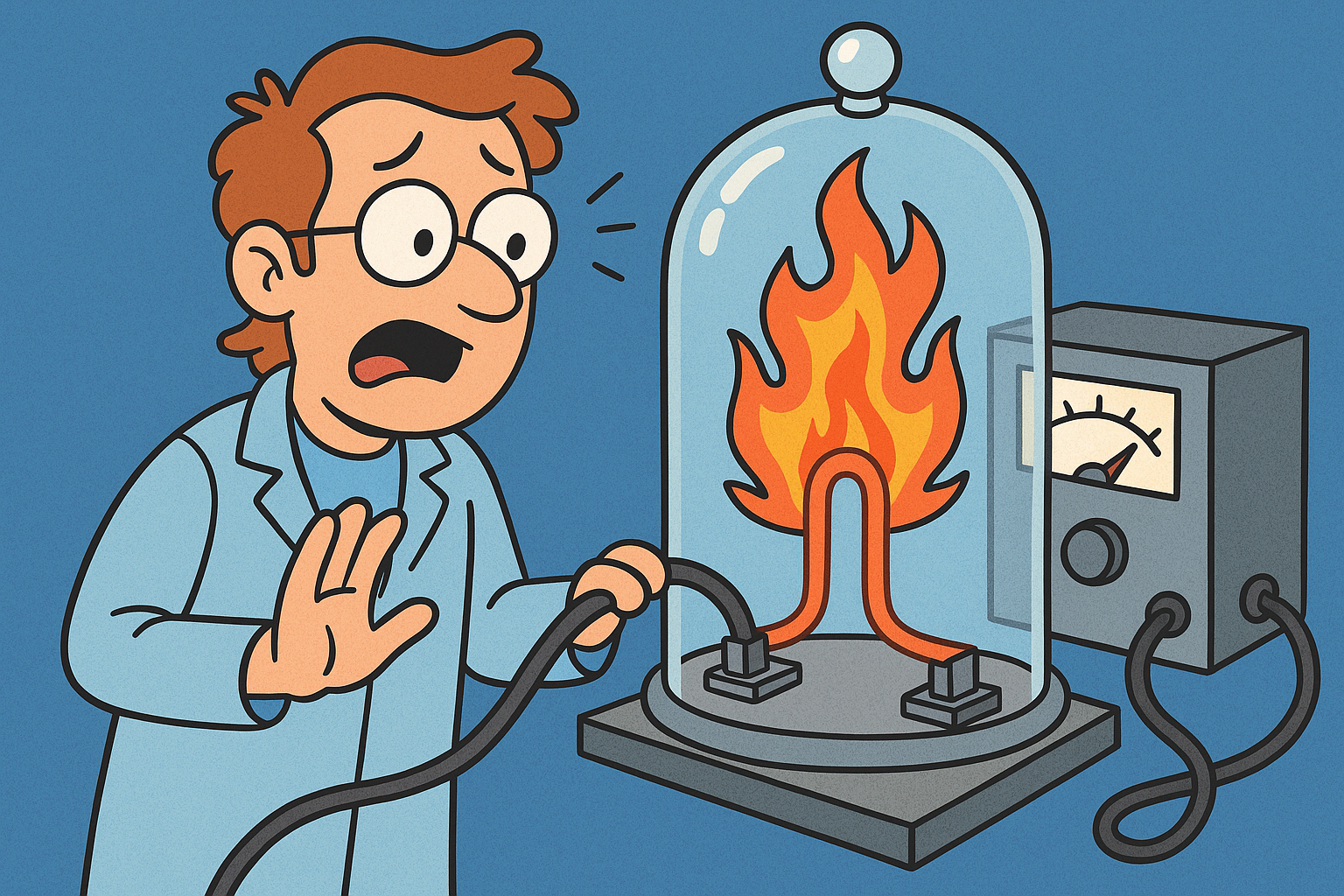
Filaments, Boats, and Burnouts: Making Smart Choices for 1–2 kVA Systems
Choosing the Right Filament or Boat for Your 1 kVA or 2 kVA Evaporation Source Before selecting a filament or boat, you must understand the voltage and current limits of your evaporation power supply. Low-voltage (LV) systems are current-driven, and filament selection must be matched carefully to stay within the system’s safe operating range. Common LV…
-
The Gold Standard for Carbon Coating
Measure by Eye Not By Guess When working with vacuum deposition for SEM sample preparation, accurately determining the thickness of a carbon coating is critical. Fortunately, there’s a fast and effective visual method—especially when your carbon film is deposited on a reflective surface like gold. Visual Method for Inspecting Carbon Film Thickness Carbon layers on gold substrates exhibit distinct…
-
Quartz Crystal Microbalance (QCM): How it Works
How Quartz Crystal Microbalance Works Why Is This Useful? How can Atomic LVL Help? We offer a comprehensive deposition monitor package designed to enhance your thin film deposition systems. Our overall package includes all the essential components to ensure precise and reliable monitoring of your deposition process. With advanced technology, it provides real-time feedback on…
-

Magnetron Sputtering 101
Magnetron sputtering is a widely used technique in the world of thin film deposition. Whether you’re new to vacuum coating or brushing up on the fundamentals, breaking down the concept into terms, process, and analogy can help clarify how this powerful technology works. Magnetron Sputtering Terms to Know Before diving into how magnetron sputtering works,…
-
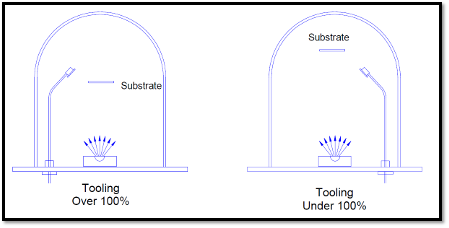
How to Calculate the Tooling Factor
The Tooling Factor is a correction that accounts for discrepancies between the material deposited on the quartz sensor and the actual material deposited on the substrate. For example, differences in distance between the sensor and the substrate can lead to inaccurate readings in systems like electron or thermal evaporation. Since it’s practically impossible to position…
-

Choosing the Right QCM Crystals for Your Process
Choosing the right QCM crystals is crucial for optimal performance. Atomic LVL offers Gold, Silver, and Alloy options, each with unique advantages. Gold provides strong adhesion and indefinite shelf life. Silver offers high thermal conductance but tarnishes quickly. Alloy maximizes crystal life and reduces rate noise. Consider application requirements, environmental factors, and experimental goals when…
-

Selecting the Right Sputtering Target Material for SEM Imaging
Selecting the appropriate coating material for SEM applications depends on factors such as the sample nature and intended use. Different materials offer different benefits, with gold being commonly used for non-conductive samples due to its efficiency and low work function. Other options like platinum, palladium, and silver also have specific advantages and drawbacks. Be mindful…